16 April 2026 10:00
Enjoying a cup of tea in peace and quiet. Or, alternatively, in good company with a selection of treats. The social ritual of drinking tea has come to play an increasingly important role over the centuries.
Origins
Tea originally comes from China. People were already drinking tea there thousands of years ago. According to legend, leaves from a tea bush fell into a pot of hot water, releasing a warm fragrance. Around 1610, the first small quantity of tea was brought to the Netherlands. At that time, it was still a curiosity. It was not until the 17th century that the United East India Company began shipping larger quantities of tea to the Netherlands. That tea came from Batavia, where it had been transported from China. In the 18th century, drinking tea became truly commonplace in the Netherlands.
Rituals
In the Netherlands, the tea ceremony as practised in England has gradually caught on. The English distinguish between afternoon tea and high tea. An afternoon tea is a light meal consisting of small dishes served at the end of the afternoon. Étagères are often used for this. High tea is an evening meal. In contrast to a luxurious afternoon ritual, high tea is traditionally a meal consumed by the lower classes of England. It is eaten at the dining table, whereas afternoon tea is often taken at a low coffee table.
The most famous tea ceremony in the world is that of Japan. There, the ceremony has been elevated to a true art form. There are strict rules governing the hours-long ceremony, which is linked to the practice of Buddhism. A Japanese tea house is simply furnished, so as not to distract the mind. The tea itself is always green tea, usually matcha. The aim is to create a bond between the host and his guests and to achieve inner peace.
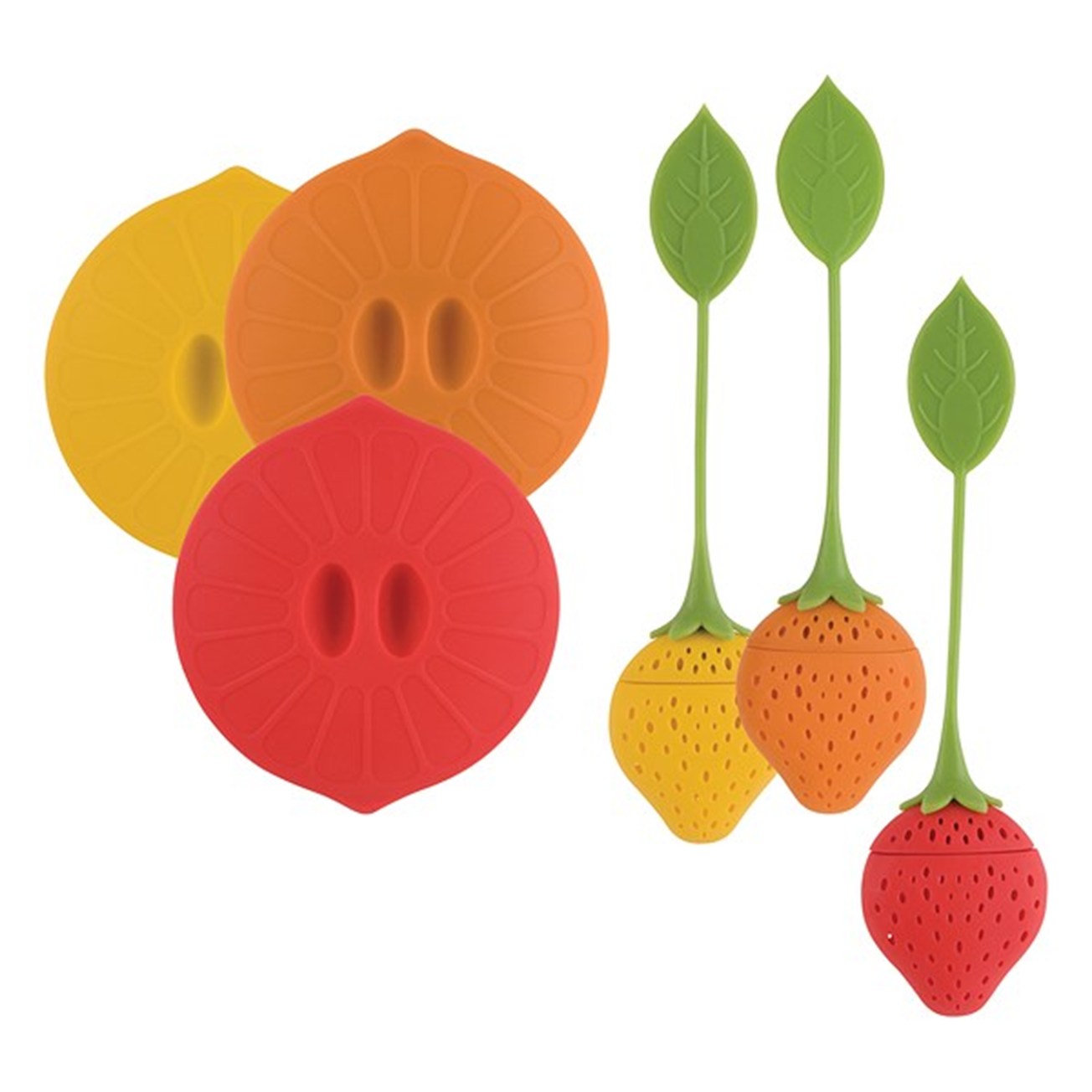
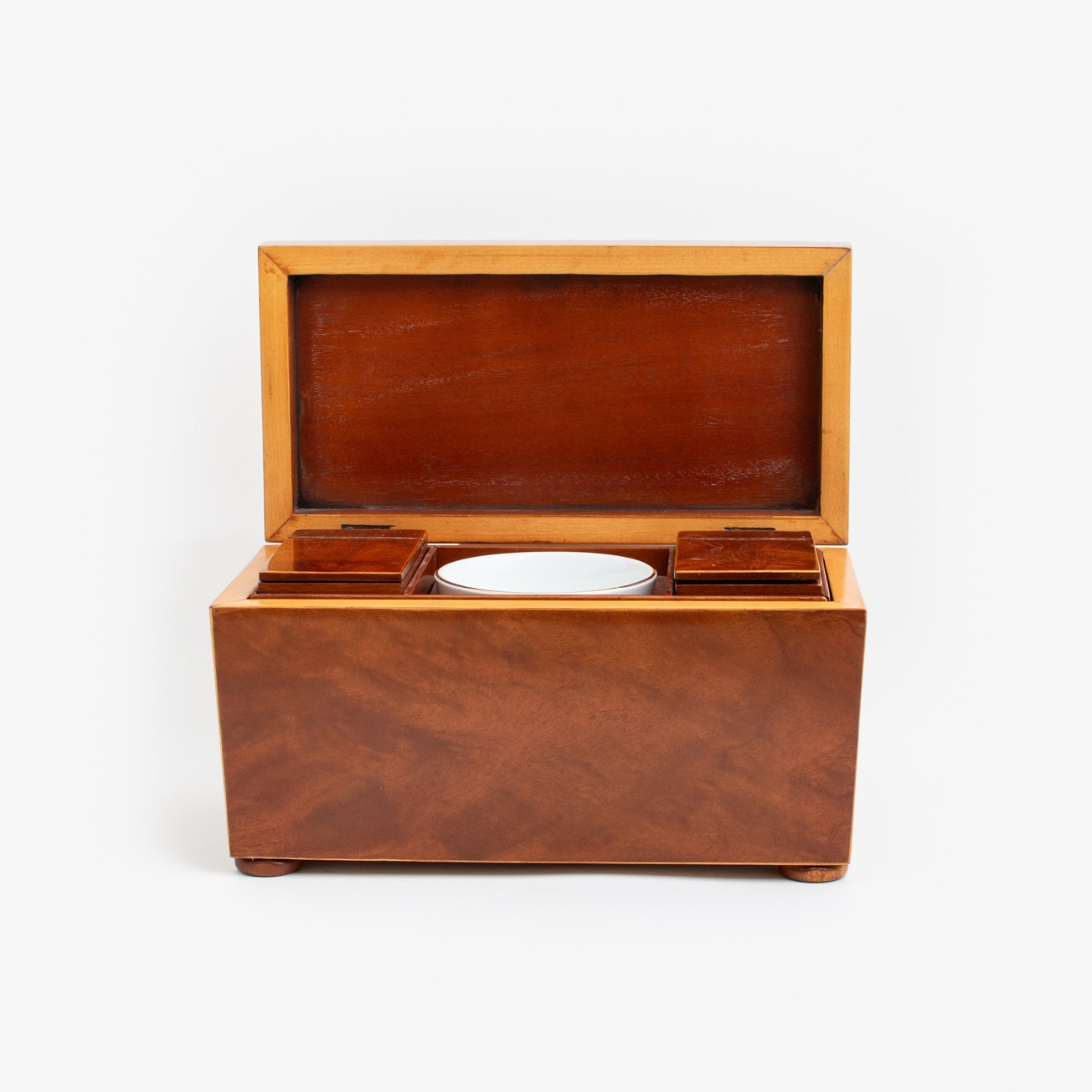
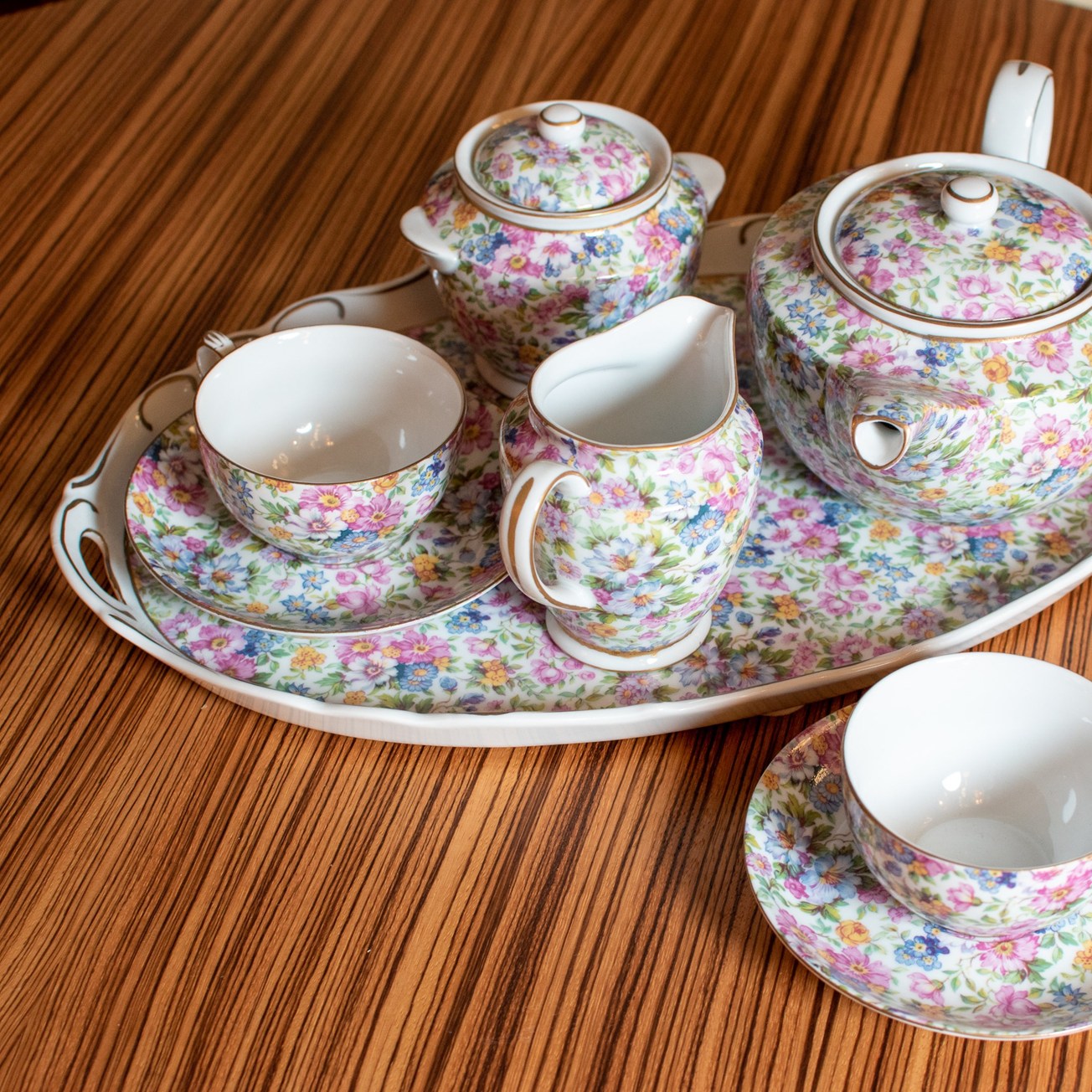
At Antique Style Webstore you will find all sorts of stylish items to host a tea ceremony tailored to your own taste.
 ordered before 12:00, shipped today
 customers review us with 4.8/5
 🎁 For all dads Father's Day


 Send us a WhatsApp text
