16 March 2026 10:00
Towards the end of the 19th century, the Arts and Crafts movement evolved into the Jugendstil movement. The name Jugendstil derives from the art and literature magazine *Die Jugend*, which was published in Munich from 1896 onwards. The magazine stood out for its unconventional layout and contributed not only to the discourse on beauty and art, but also to social issues.
Nature as a source of inspiration
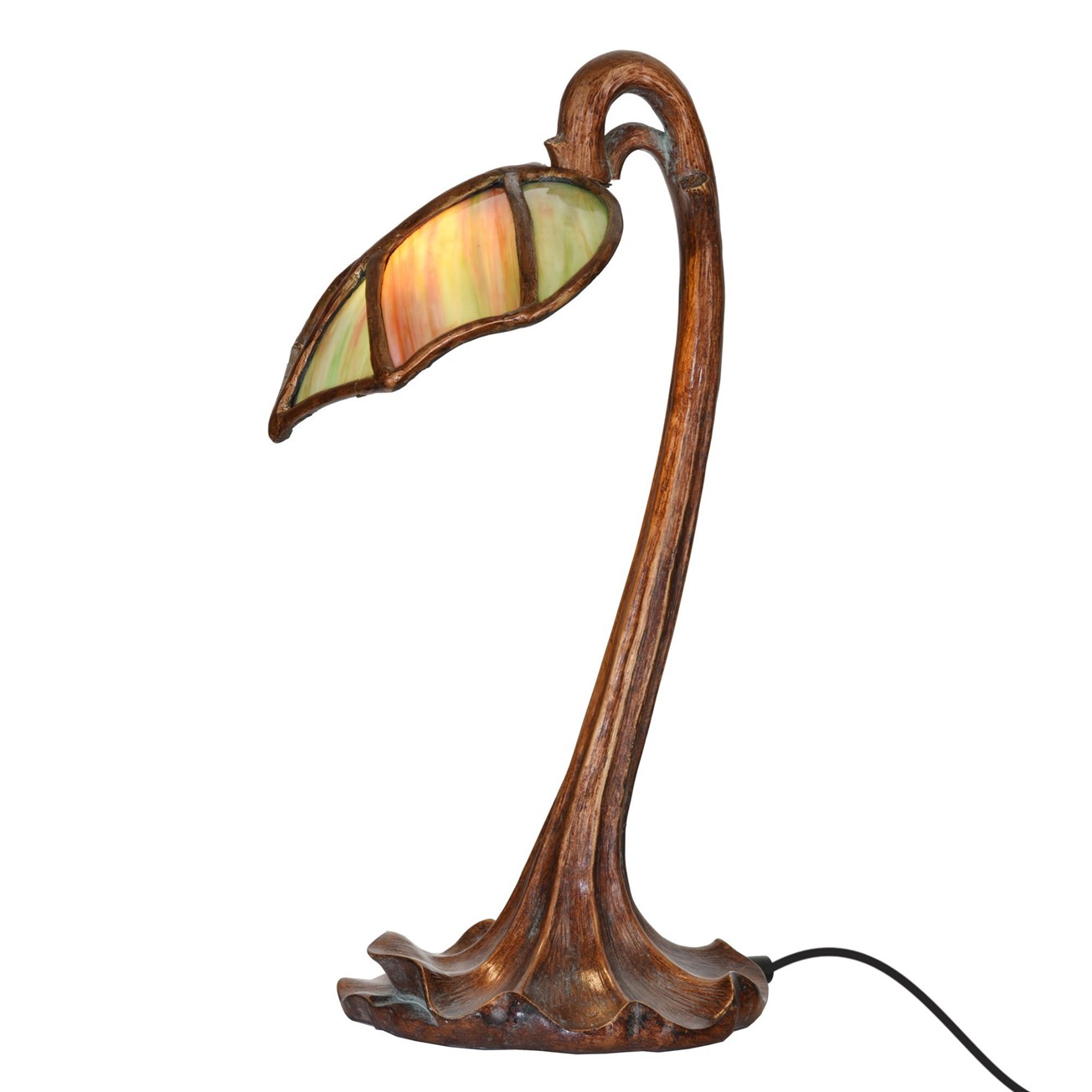
The graceful, undulating lines of plants often form the starting point for Jugendstil designs. Lamps featuring floral decorations evoke that characteristic Jugendstil feel. Take, for example, the tropical plant Alocasia. This plant has enormous leaves that can even provide shade. The lamp inspired by this features a bronze-patinated floral growth form as its fixture. Beautiful! Exotic and highly artistic. The graceful leaf, in green with a touch of red, reveals decorative veins.
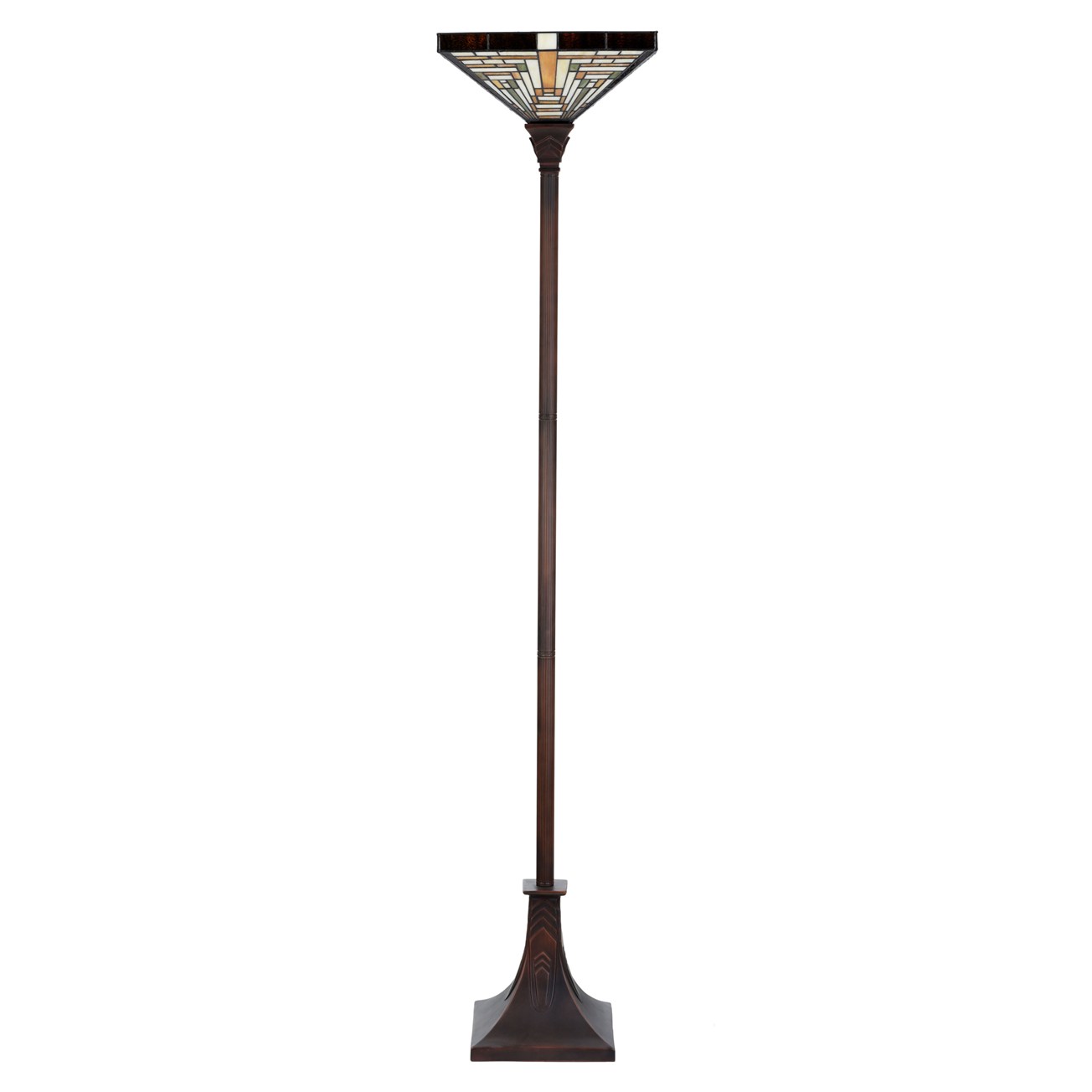
Geometric Jugendstil
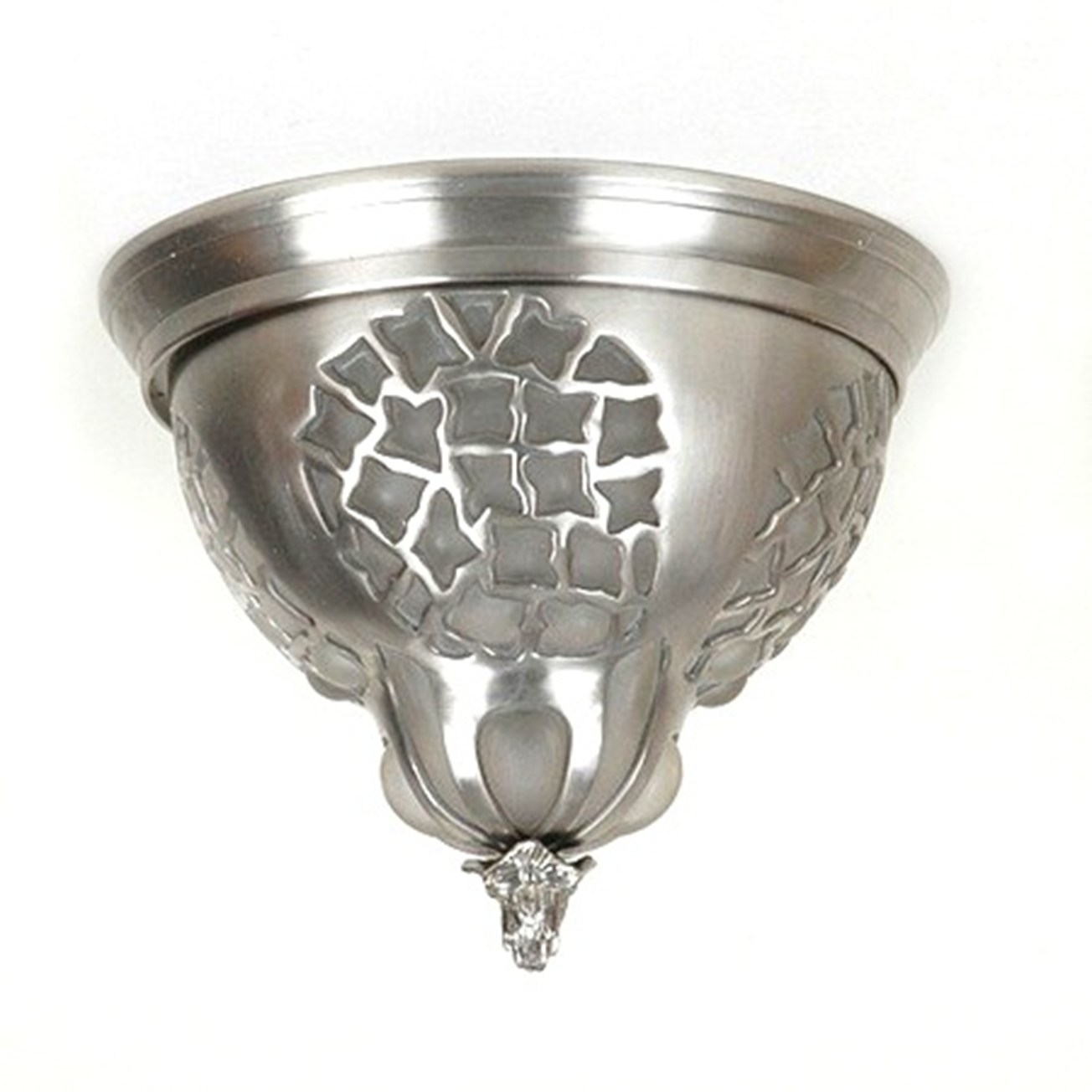
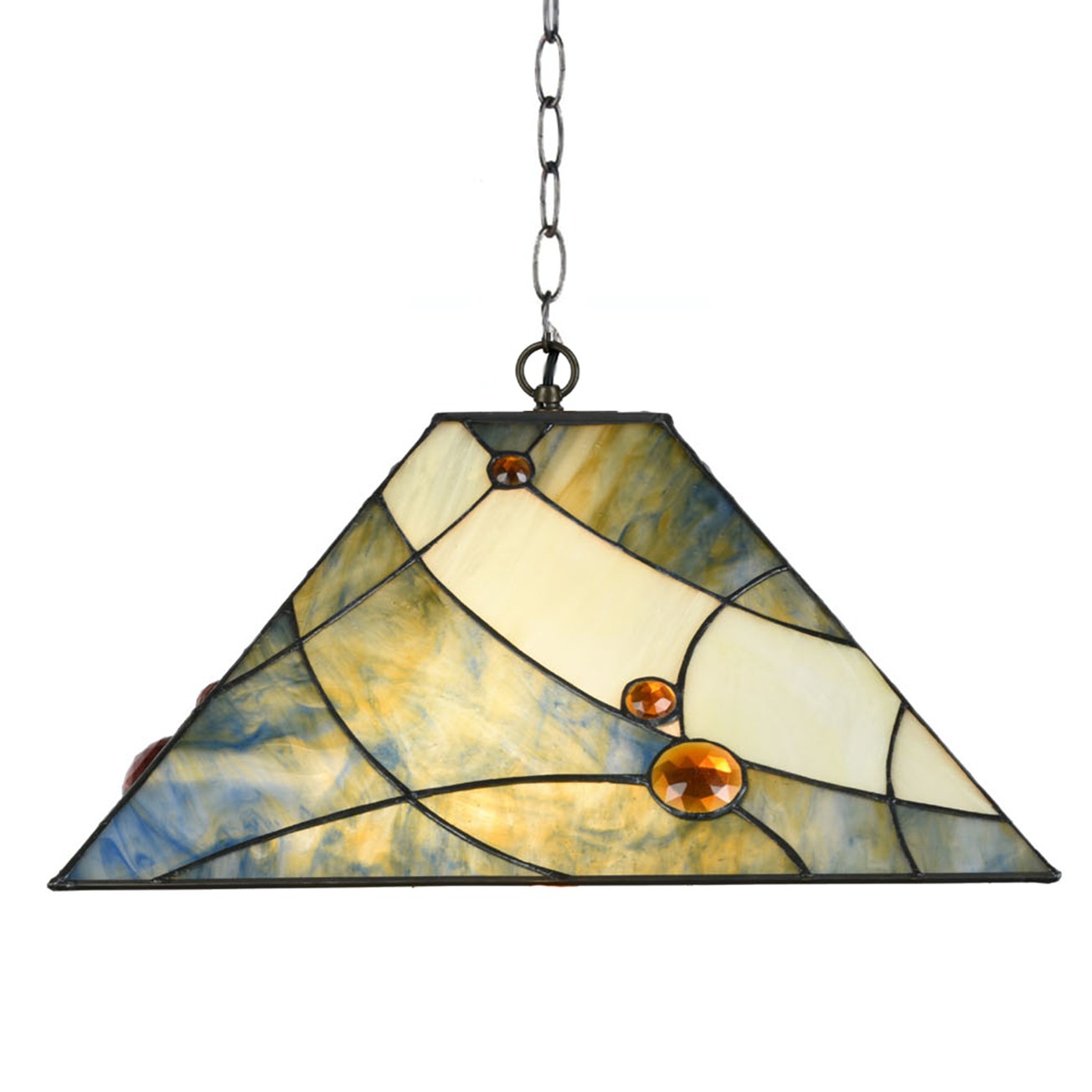
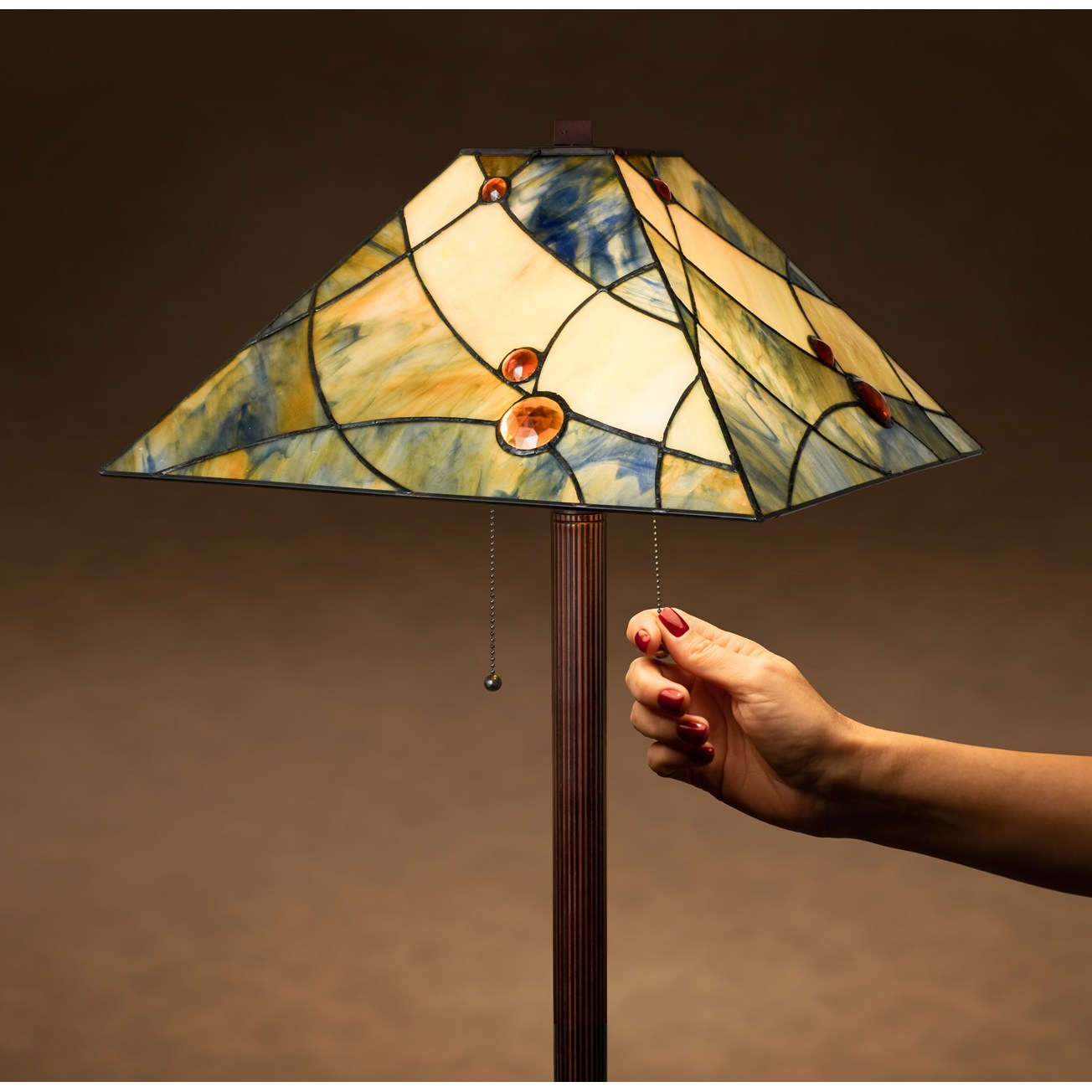
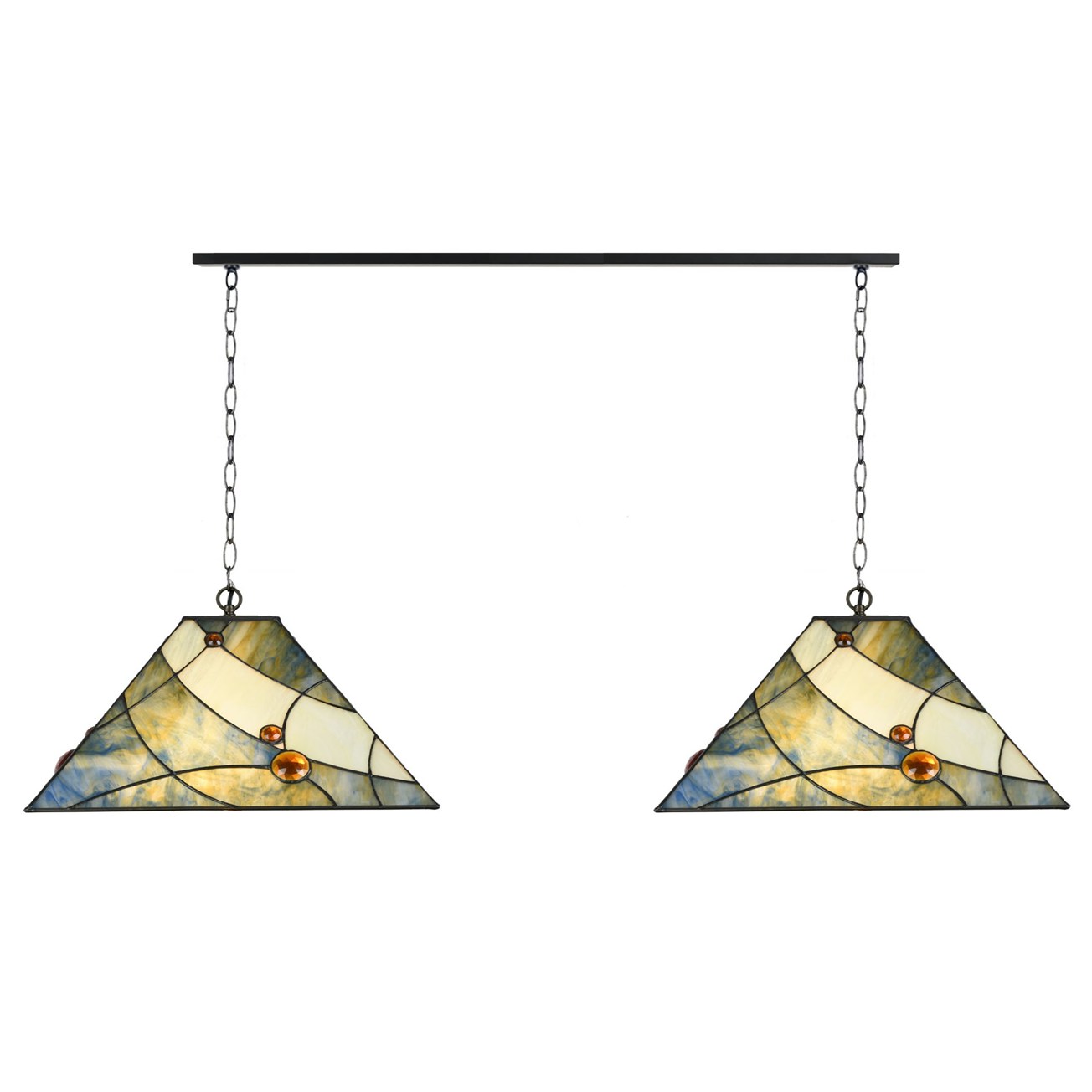
A popular decorative style featured geometric shapes, sometimes in the form of blocks or a series of blocks. The Sky Blue collection fits perfectly within this style. All of this is combined with the whimsical and flowing lines so characteristic of Jugendstil.
The language of the fan
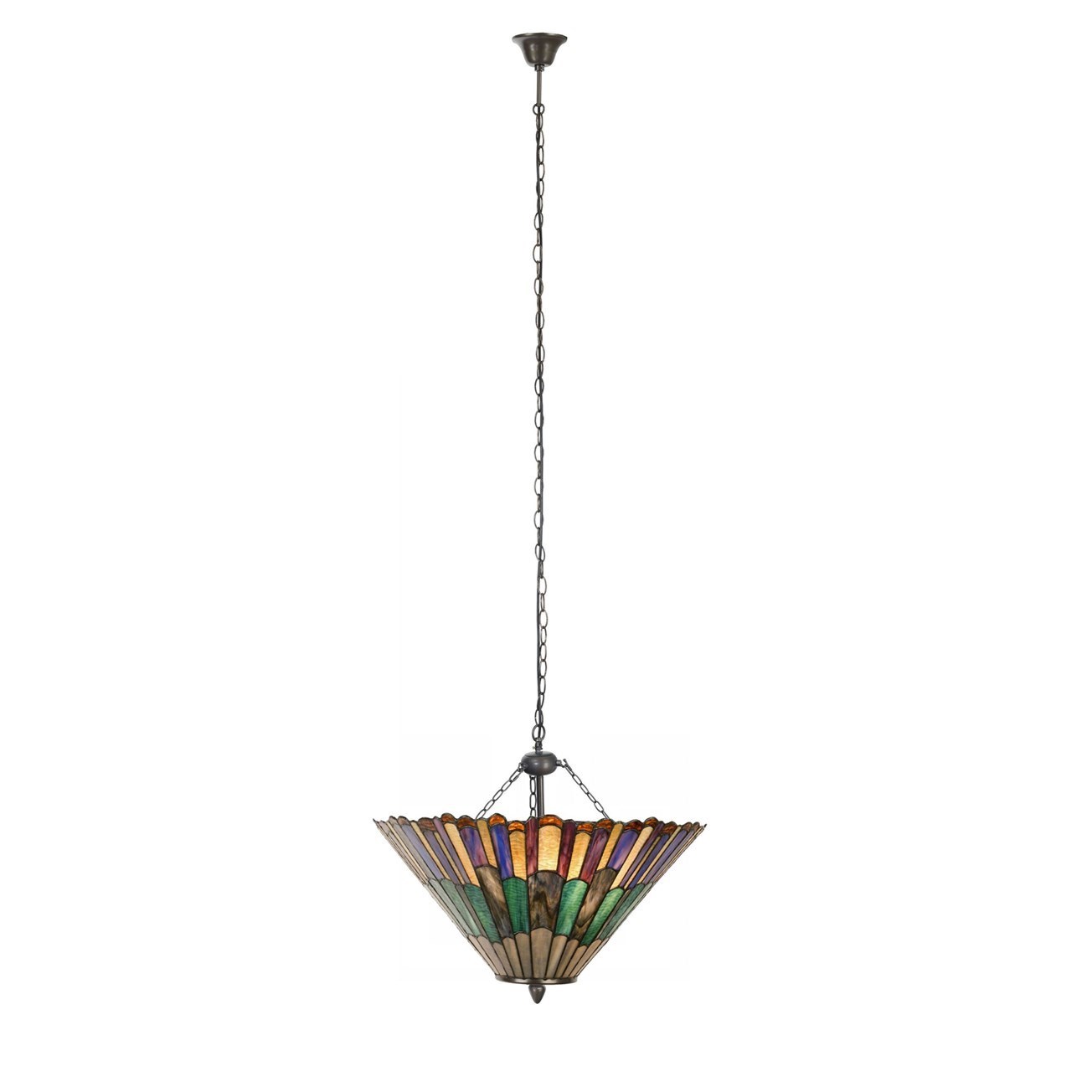
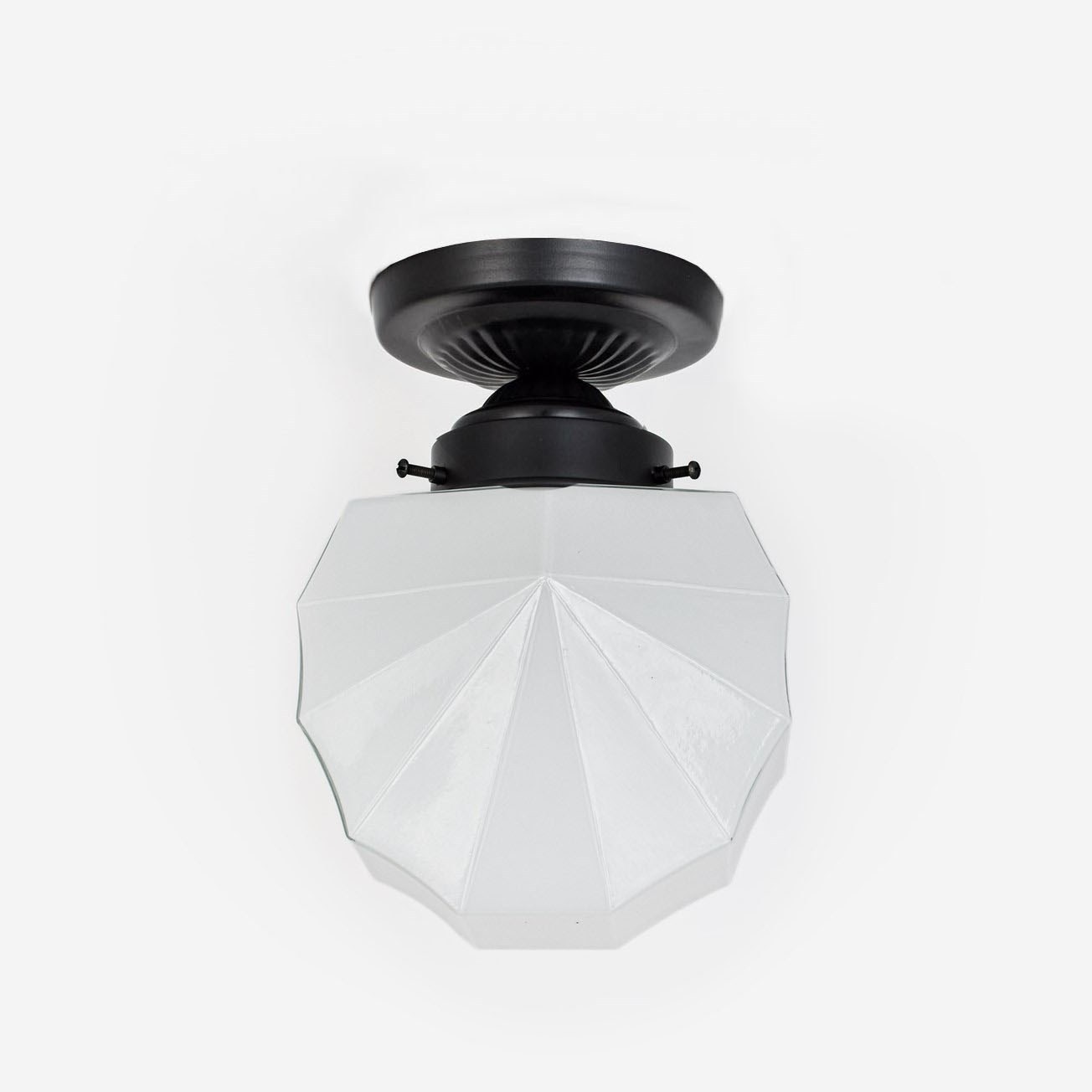
Fan shapes were popular in Art Nouveau. Fans were once used as a means of communication and were a tool in the art of seduction. Ladies could use them to send discreet signals. The timeless motif looks modern and remains consistently popular. The Tiffany shades in the Styled Flower series by Coloured by Art© resemble a budding flower, but are also reminiscent of a peacock’s feathers in all their glory. There are also elegant glass shades in white opal glass.
Whip-stroke motif
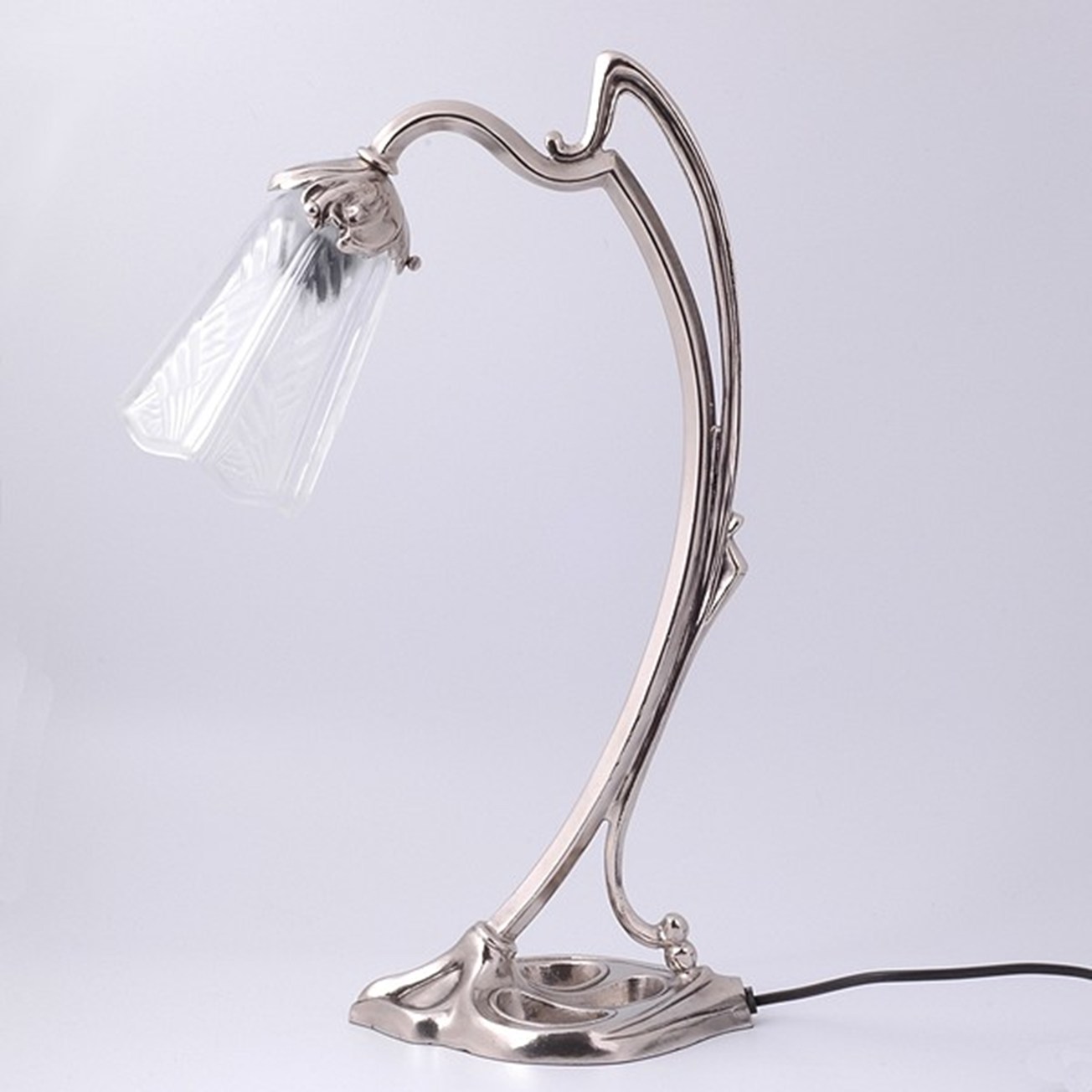
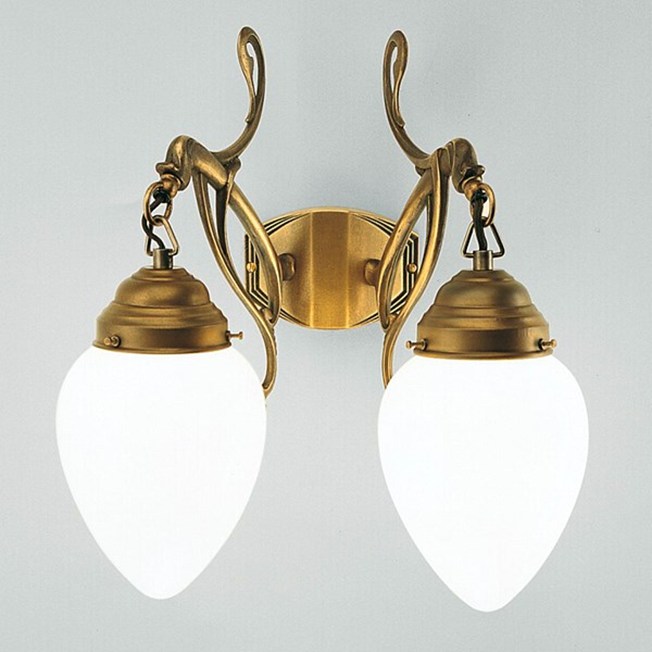
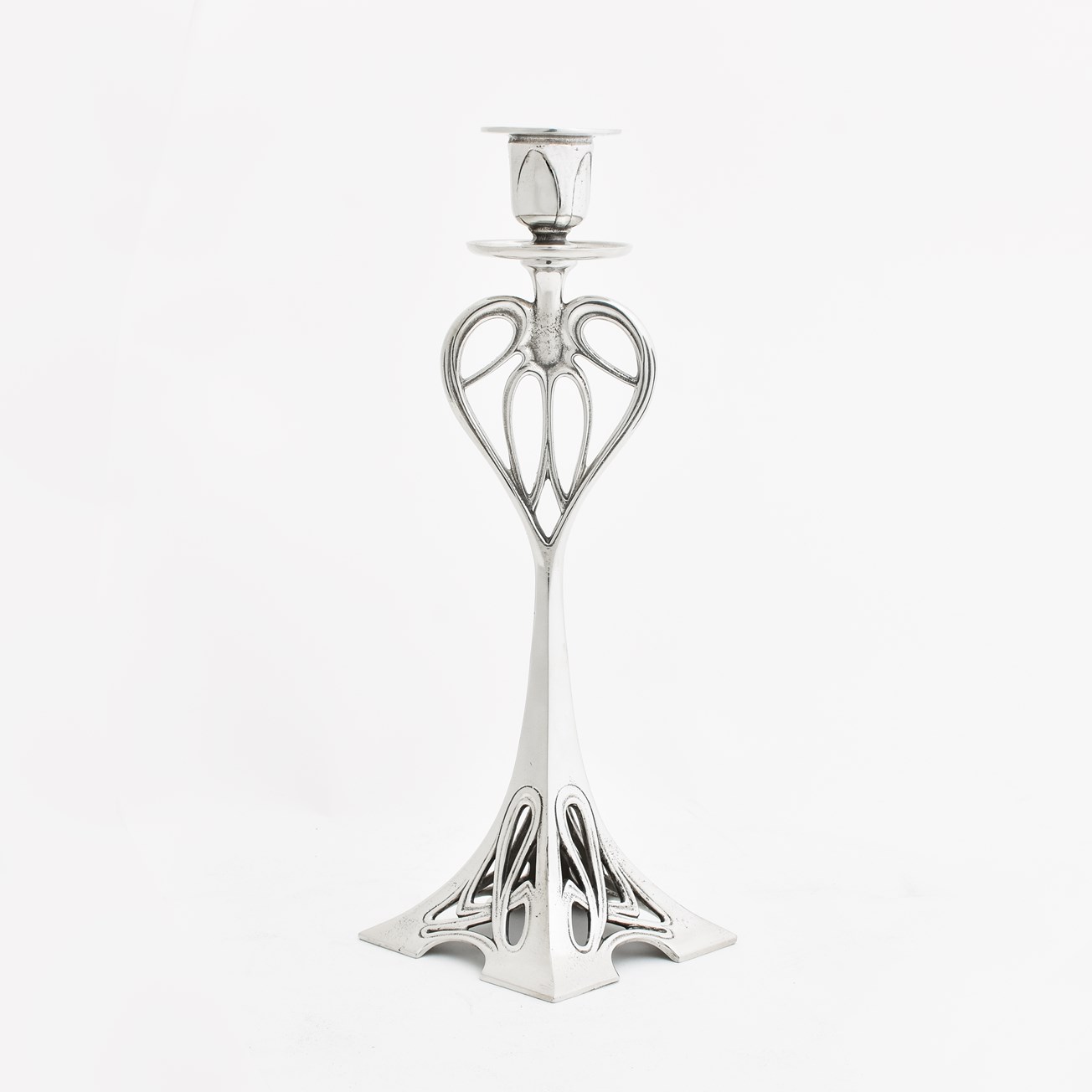
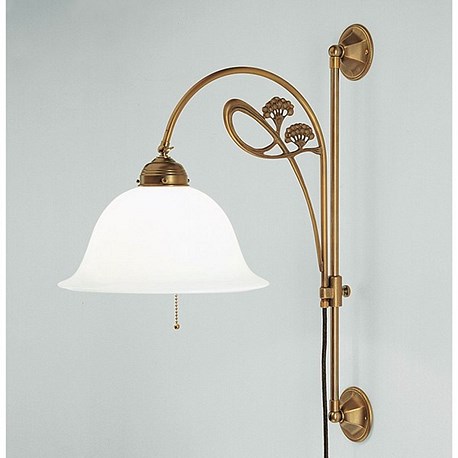
It is also commonly referred to as the ‘spaghetti style’. The sweeping lines are reminiscent of the movement of a whip and convey a sense of movement and dynamism. Whip-like lines were widely used in ornaments, stained glass, furniture, jewellery and other decorative arts. Wavy, asymmetrical lines, often inspired by plants and flowers, are characteristic of the Art Nouveau style.
 ordered before 12:00, shipped today
 customers review us with 4.8/5
 🌞 Sunny Summer


 Send us a WhatsApp text
