27 October 2025 16:00
In Vienna around 1900, views on art and architecture changed radically. Traditionalism gave way to modernism, and mass production replaced craftsmanship.
Vienna Secession
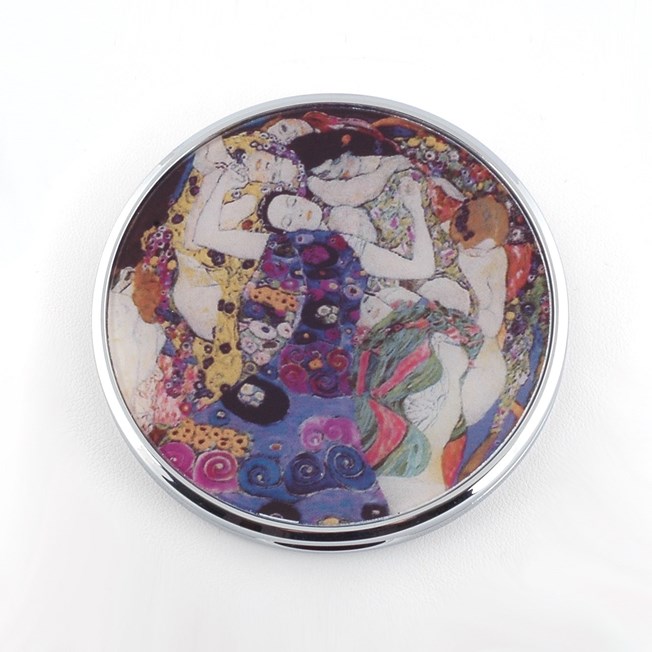
The Vienna Secession was founded in 1897. The Vienna Secession was an association of visual artists and is the name given to the local variant of Art Nouveau. One of the most prominent members of the Vienna Secession was the Austrian artist Gustav Klimt. Together with Koloman Moser, Josef Hoffmann, Joseph Maria Olbrich, Max Kurzweil, Carl Moll, Otto Friedrich and other artists, he focused on exhibiting their work in new artistic forms. The Vienna Secession's field of activity consisted mainly of painting. The painter Gustav Klimt and artist Koloman Moser left the Secession in 1905.

Wiener Werkstätte
The Wiener Werkstätte ("Vienna Workshop") was founded in Vienna in 1903. Its founders were the artists Josef Hoffmann (1870-1956) and Koloman Moser (1868-1918). They were inspired by the Arts and Crafts movement. Handicrafts, crafts and applied arts came to the fore.
The artists strove for a new design language, in which craftsmanship was paramount, with the aim of creating a quality product for a selective market. This was in contrast to similar workshops, which were more concerned with mass production.
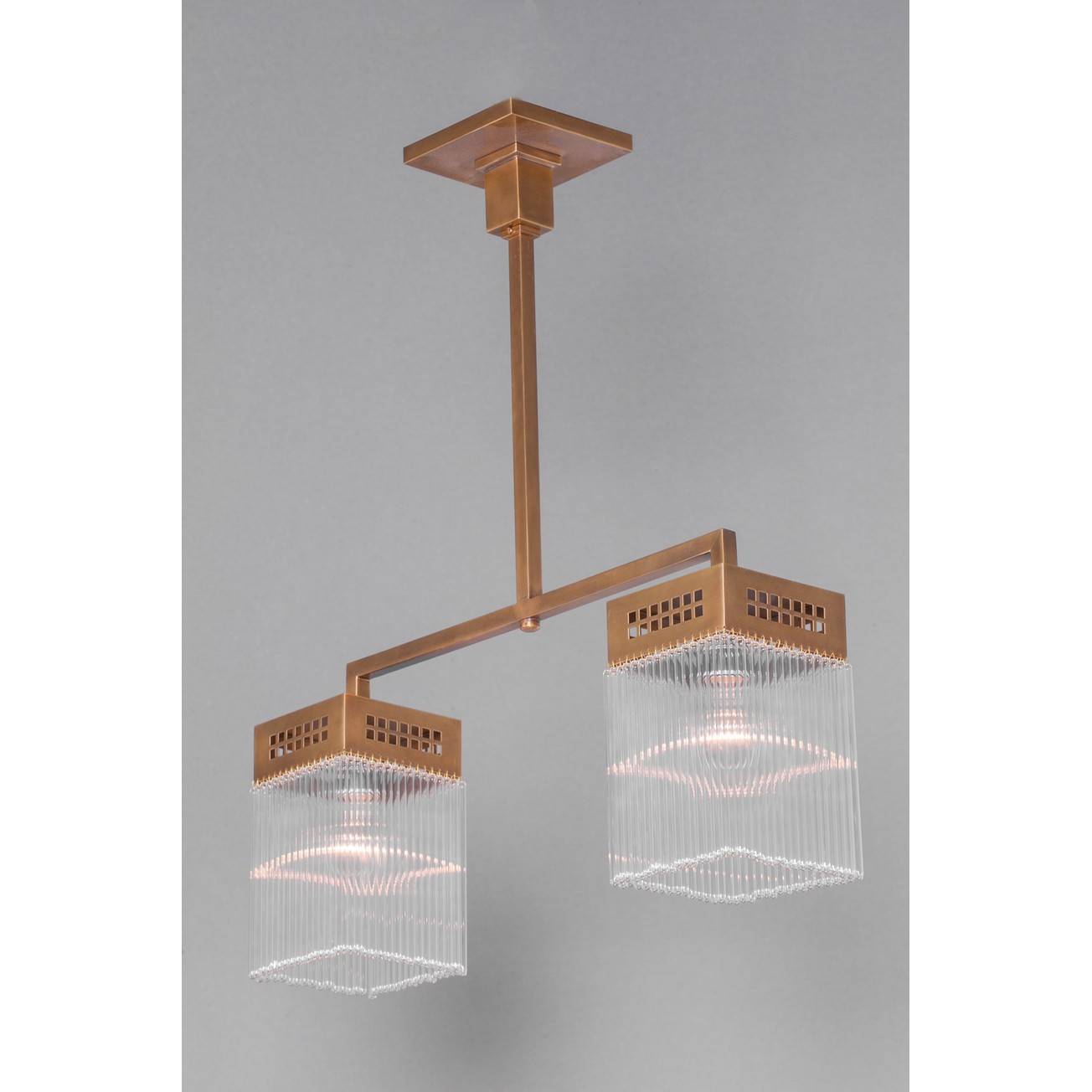
The WW's style was based on abstract patterns, geometric motifs, squares and grid structures. You could call it a geometric form of Art Nouveau.
Furniture designers, ceramists, silversmiths, lamp designers and graphic artists worked together to create so-called Gesamtkunstwerke ('total work of art'). A characteristic feature of a Gesamtkunstwerk is the combination of multiple art forms, whereby the artwork remains harmonious.
If you are a fan of the Wiener Werkstätte, you will feel at home at Antique Style Webstore!
 ordered before 12:00, shipped today
 customers review us with 4.8/5
 🌞 Sunny Summer


 Send us a WhatsApp text
