26 August 2025 16:00
Amedeo Clemente Modigliani (1884 - 1920) was an Italian painter and sculptor. He was inspired by Cubism, but was also a great admirer of the Pre-Raphaelites. In 1906, he moved from his native Italy to Paris and sought his fortune in artistic circles.
Temple of Humanity
After meeting Constantin Brâncuși in 1909, Modigliani conceived the idea of building a temple for humanity. Brâncuși is regarded worldwide as the founder of modern sculpture. Inspired, Modigliani made numerous sketches and drawings, which show the transition from painting to sculpture. At one point, he was almost exclusively engaged in designing caryatids. He shared a studio with Brâncuși, where he received some training.
Caryatids
Caryatids are female figures in Egyptian and Greek architecture that are used as pillars. Caryatid is a compound Greek word for 'woman from Caria', a region in the south-west of present-day Anatolia. The origin is explained as follows. When the Greeks won the war against the Persians in ancient times, the Carians were punished for it. The men were killed and the women were enslaved. As punishment, the women had to bear an eternal burden. Since then, female figures supporting buildings have been used in Egyptian and Greek architecture.
It was also a commonly used decorative motif during the Renaissance and in the 18th and 19th centuries. Think of the façade of the Winkel van Sinkel in Utrecht, which is decorated with bronze caryatids.
True calling
Modigliani saw sculpting as his true calling. However, due to the high cost of materials and his poor lung health, he was unable to fulfil his calling. He had been in poor health since childhood. He died in poverty after a very eventful life and short career. Modigliani's work only became successful after his death. Today, he is one of the most popular artists of the 20th century.
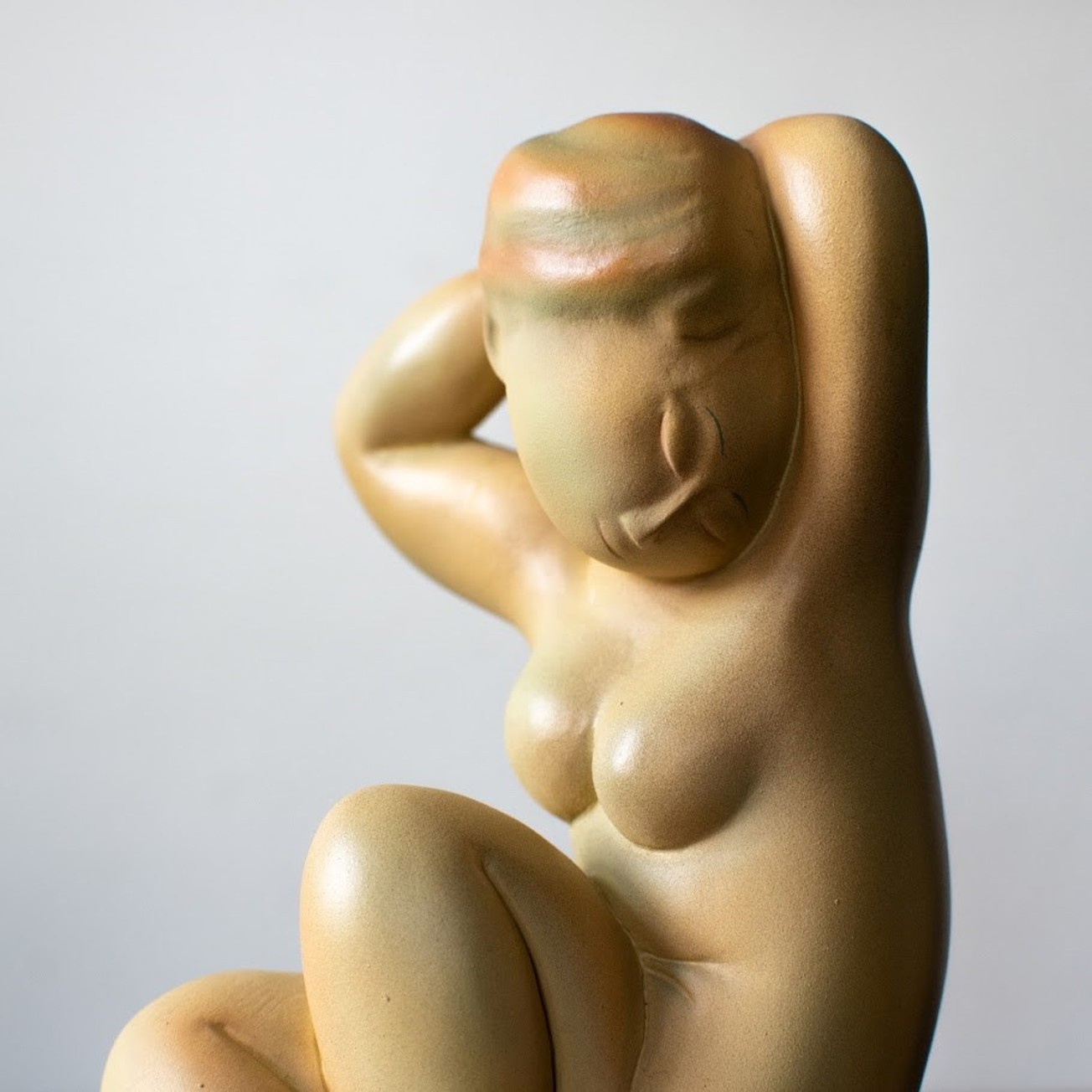
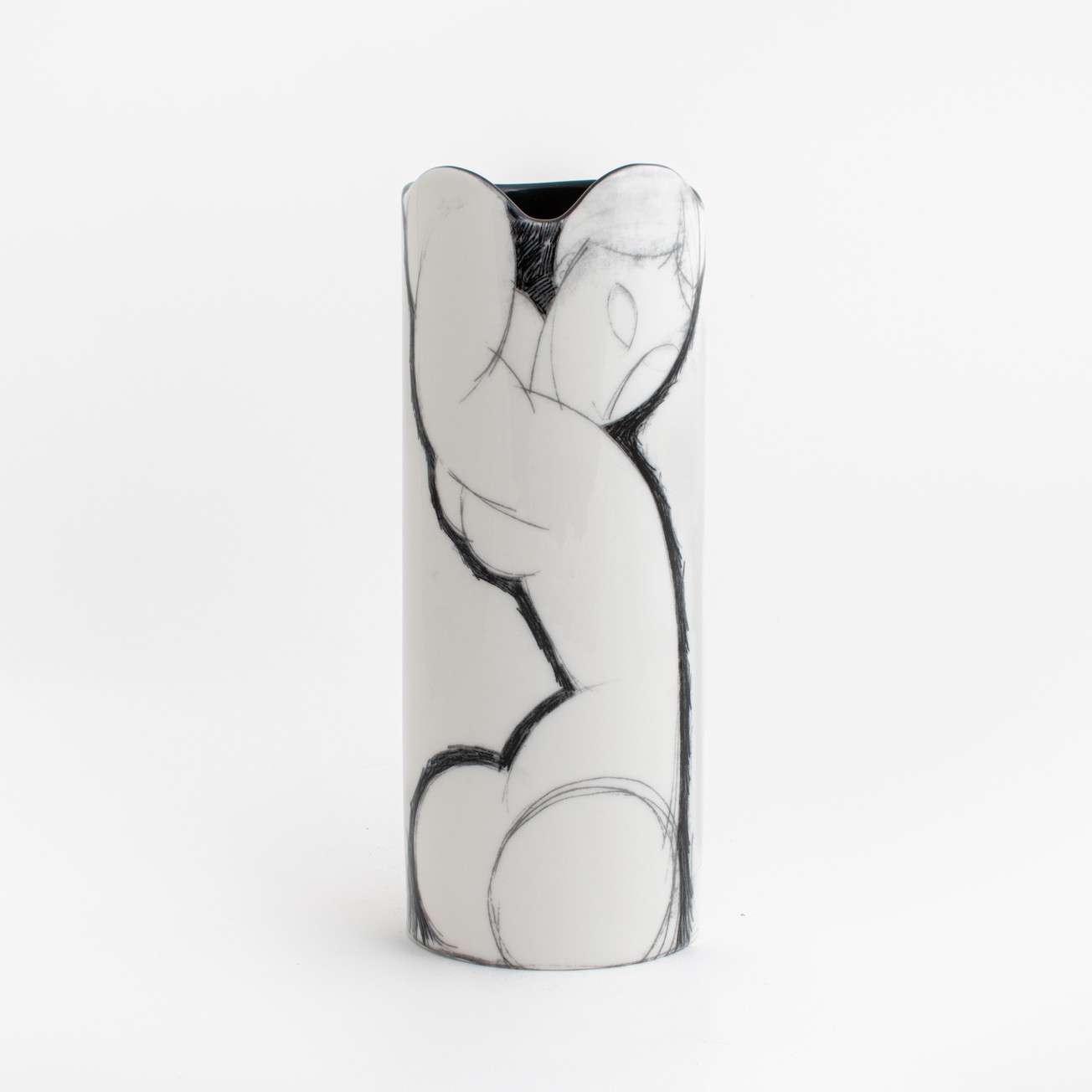
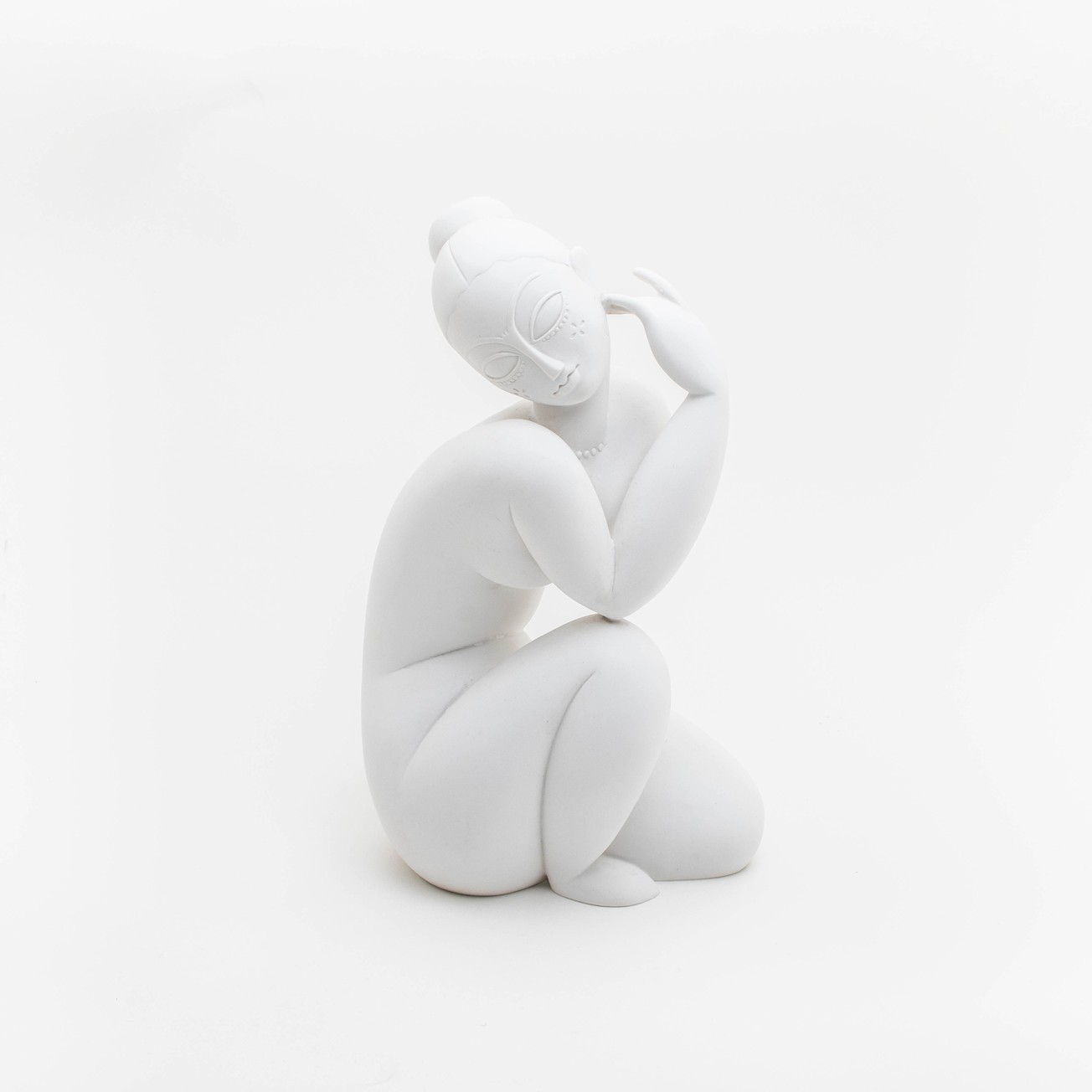
To honour Modigliani, Antique Style Webstore offers a number of expressionist sculptures based on original works of art. For example, a painting from 1913 has been translated into a statue of a woman. The woman's idiosyncratic forms are rendered in a cubist style. The sculptures, as well as a vase, are a suitable gift for anyone who, like Modigliani, dares to go against the grain and is true to their own style.
Tip! From the 20th of September 2025 until the 18th of January 2026, the H'ART Museum will organize a major Brâncuși retrospective exhibition with more than 30 masterpieces.
 ordered before 12:00, shipped today
 customers review us with 4.8/5
 🌞 Sunny Summer


 Send us a WhatsApp text
